


Qatar's investment story is evolving.
Energy remains fundamental to the country's economy, but the next phase of growth is increasingly connected to financial services, advanced industries, technology, logistics, healthcare, tourism, manufacturing, artificial intelligence and other knowledge-intensive activities.
For investors and C-suite leaders, this raises an important question:
Where will the next wave of private capital go in Qatar?
The answer is unlikely to be concentrated in one industry. Instead, the emerging opportunity is around businesses and assets that support Qatar's long-term economic priorities, strengthen its position as a regional hub and participate in the country's transition toward a more diversified, technology-enabled economy.
Qatar's Third National Development Strategy (NDS3), covering 2024–2030, targets 4% annual non-hydrocarbon GDP growth, USD 100 billion in net foreign direct investment, a top-10 business environment ranking, and 6% compound annual growth in SME contribution to non-hydrocarbon GDP. (Government Communications Office)
That provides an important framework for understanding where private capital may find opportunities.
Chapter 1: Qatar's Investment Market Is Moving Beyond Traditional Capital
A larger and more diversified investment opportunity

Qatar has spent years building infrastructure, institutions and economic capacity. The investment opportunity is now increasingly connected to how that foundation can be used to build new businesses, industries and services.
The latest Foreign Direct Investment Survey from Qatar's National Planning Council shows that inward FDI positions reached QAR 165.4 billion at the end of 2025, representing a 2% increase from the previous year.
More than 90% of inward FDI positions were concentrated in five economic activities:
- Mining and quarrying — 44.9%
- Financial and insurance activities — 28.4%
- Manufacturing — 13.9%
- Professional, scientific and technical activities — 4.1%
- Information and communication — 3.0%
The figures show both the continuing importance of Qatar's core sectors and the growing role of financial, manufacturing, professional and technology-related activities. (NPC)
For private investors, this creates two different opportunities.
The first is to invest in established sectors.
These include businesses connected to:
- Energy
- Financial services
- Manufacturing
- Construction
- Infrastructure
- Logistics
- Real estate
- Professional services
The second is to invest in businesses supporting the next phase of economic growth.
These include:
- Artificial intelligence
- Fintech
- Cybersecurity
- Cloud infrastructure
- Data services
- Digital platforms
- Advanced manufacturing
- Healthcare technology
- Logistics technology
- Specialized business services
- Sustainability and energy-transition solutions
The distinction matters.
The strongest investment opportunities may not always be the largest businesses today. They may be the businesses providing infrastructure, technology and specialized services to sectors expected to expand over the next decade.
Qatar is actively creating an investment environment for new capital
Qatar's investment strategy is supported by a combination of economic policy, infrastructure, investment incentives and institutional capital.
In 2025, Invest Qatar announced a USD 1 billion incentives program targeting advanced industries, logistics, technology and digital sectors, and financial services.

The program can provide financial support covering up to 40% of eligible local investment expenses over five years, subject to the applicable program requirements. (Invest Qatar)
The four initial packages focus on:
Advanced Industries
Pharmaceuticals, chemicals, automotive, electronics and other technology-intensive manufacturing activities.
Logistics
Infrastructure, automation, re-export, distribution and advanced logistics services.
Technology
Artificial intelligence, cybersecurity, cloud computing and data-driven innovation.
Financial Services
Asset management, insurance, wealth management and fintech.
This direction is significant for private capital because government incentives can influence the economics of investment decisions.
But incentives alone should not determine an investment thesis.
Investors still need to evaluate:
- Market demand
- Competitive intensity
- Capital requirements
- Operating costs
- Talent availability
- Regulatory requirements
- Exit opportunities
- Technology requirements
- Customer concentration
- Cash-flow potential
- Scalability
Foreign ownership is also supporting investment flexibility
Under Qatar's Investment Law No. 1 of 2019, foreign investors can own up to 100% of the capital in permitted economic sectors, subject to applicable restrictions and approvals. Certain sectors, including banking, insurance and commercial agencies, are subject to restrictions unless specifically authorized. (MOCI)
This provides international investors with greater flexibility when considering Qatar as a market for establishing or expanding operations.
The availability of different business environments — including the Qatar Financial Centre, Qatar Free Zones and other specialized economic locations — also allows investors to assess structures based on their business model, sector and target market.




Chapter 2: Where Could the Next Wave of Private Capital Go?
The investment opportunity in Qatar should be considered as a portfolio of connected themes rather than a single sector forecast.

1. Technology, AI and Digital Infrastructure
Technology is moving from being an enabling function to becoming an investment sector in its own right.
Qatar has identified technology and digital activities as a priority area, with investment opportunities spanning:
- Artificial intelligence
- Cloud computing
- Cybersecurity
- Data analytics
- Digital platforms
- Enterprise software
- Fintech
- Smart infrastructure
- Digital services
QIA's Fund of Funds provides an important signal about the direction of Qatar's venture ecosystem.
In February 2026, Qatar announced an additional USD 2 billion for the Fund of Funds program, taking total capital commitments to USD 3 billion.
The program supports 12 regional and international fund managers, with new investment specialties including AI, fintech, blockchain, infrastructure and special situations. (QIA)
This indicates that technology investment is increasingly being connected to institutional capital and the development of Qatar's startup ecosystem.
What private investors should watch
The opportunity may extend beyond investing directly in AI companies.
Businesses supporting AI adoption could also become important, including:
- Data centers
- Computing infrastructure
- Cybersecurity
- Data management
- AI implementation
- Enterprise automation
- Industry-specific AI applications
- Digital identity
- Financial technology
For investors, the question becomes:
Who will build the infrastructure and services required by Qatar's digital economy?
2. Financial Services and Fintech
Financial services already represent a substantial portion of Qatar's inward FDI.
The 2025 FDI survey shows that financial and insurance activities accounted for 28.4% of inward FDI positions, making it the second-largest category after mining and quarrying. (NPC)
The opportunity is also broadening.
Invest Qatar's financial-services investment package specifically identifies:
- Asset management
- Insurance
- Wealth management
- Fintech innovation
as areas for development.
Potential areas for private capital include:
- Digital payments
- Wealth technology
- Financial infrastructure
- Alternative investment platforms
- Insurtech
- Financial data
- Regtech
- Private credit
- Asset management technology
The development of Qatar as a regional financial center could also create demand for specialized legal, accounting, tax, risk, technology and advisory services.
3. Logistics and Supply Chain

Qatar's geographical position, airport, port infrastructure and regional connectivity create a strong foundation for logistics-related investment.
The opportunity is moving beyond traditional transportation.
Potential areas include:
- Warehousing
- Distribution
- Cold-chain logistics
- Freight forwarding
- E-commerce fulfillment
- Last-mile delivery
- Supply chain technology
- Inventory optimization
- Logistics automation
- Transportation management
Invest Qatar's logistics incentives specifically focus on infrastructure, automation, re-export and advanced logistics services.
For investors, technology-enabled logistics businesses may be particularly relevant because they combine physical infrastructure with recurring digital services.

4. Advanced Manufacturing
Manufacturing is already an important part of Qatar's FDI landscape.
The 2025 FDI survey recorded manufacturing at 13.9% of inward FDI positions. (NPC)
The next opportunity may be increasingly focused on higher-value manufacturing rather than volume alone.
Areas to watch include:
- Pharmaceuticals
- Chemicals
- Electronics
- Automotive-related manufacturing
- Industrial equipment
- Specialized materials
- Food production
- Industrial technology
- Manufacturing automation
The investment case can become stronger when manufacturing is connected to local demand, export potential, supply-chain localization and technology transfer.
5. Healthcare and Life Sciences
Healthcare is another sector connected to Qatar's long-term development priorities.
Private capital may find opportunities in:
- Specialized healthcare
- Medical technology
- Diagnostics
- Digital health
- Healthcare services
- Pharmaceutical distribution
- Healthcare infrastructure
- Medical equipment
- Preventive health solutions
The opportunity is not limited to hospitals.
As healthcare systems become more data-driven, technology and specialized services can create additional investment opportunities around the healthcare ecosystem.
6. Tourism, Hospitality and Experience-Based Businesses
Qatar has made tourism and visitor growth an important component of its diversification strategy.
The government has stated that tourism activity has grown significantly since 2022, with the sector contributing approximately 10% of GDP, according to remarks by the Prime Minister at the National Development Forum. (Government Communications Office)
Potential investment areas include:
- Hospitality
- Premium experiences
- Food and beverage
- Entertainment
- Sports-related businesses
- Events
- Tourism technology
- Destination services
- Retail experiences
Invest Qatar also identifies food and beverage as an investment opportunity, with Qatar's F&B services market projected by Invest Qatar to reach USD 2.89 billion by 2029. (Invest Qatar)
For private investors, the opportunity may increasingly be in differentiated concepts rather than simply increasing the number of hospitality assets.
7. Professional and Specialized Business Services

An often-overlooked investment opportunity is the infrastructure supporting other businesses.
As Qatar attracts international companies, investors and technology businesses, demand can grow for:
- Accounting
- Tax
- Legal services
- Risk advisory
- Corporate services
- Human resources
- Recruitment
- Technology consulting
- Cybersecurity
- Digital marketing
- Data services
- Business intelligence
The 2025 FDI data recorded 4.1% of inward FDI positions in professional, scientific and technical activities.
This is a smaller share than mining, financial services and manufacturing, but it represents an important part of the ecosystem required to support a more diversified economy.
Leadership perspective
“Qatar is creating an investment environment where capital can participate in more than traditional sectors. We see growing potential in businesses that connect technology, financial services, infrastructure and specialized expertise with the country's long-term diversification goals. For investors, the opportunity is not only to identify where capital can be deployed today, but to understand which businesses will be essential to Qatar's next phase of growth.”
Chapter 3: What Will Determine the Next Investment Opportunity?
Identifying attractive sectors is only the beginning.

For investors and C-suite leaders, the more important question is whether an individual opportunity can create sustainable value.
Investment determinants
1. Market demand
A growing sector does not automatically mean every company in that sector will succeed.
Investors should examine:
- Size of the addressable market
- Customer demand
- Growth drivers
- Competitive landscape
- Pricing power
- Customer acquisition costs
- Recurring revenue potential
2. Strategic alignment
Investments that align with Qatar's economic priorities may have access to a broader ecosystem of infrastructure, incentives, partnerships and institutional support.
NDS3 identifies private-sector participation as an important driver of growth and targets USD 100 billion in net FDI by 2030.
The question for investors is therefore not simply: “Is this a good business?”
It is also: “Does this business have a role in the economy Qatar is building?”
3. Scalability
Private capital generally needs a credible path to growth.
Investors should examine whether a Qatar-based business can:
- Scale within Qatar
- Serve the GCC
- Export services
- Build regional headquarters capability
- Develop intellectual property
- Create recurring revenue
- Attract strategic partners
Qatar's position can be particularly relevant for businesses using the country as a base for regional operations.
4. Technology advantage
Technology will increasingly influence investment decisions across sectors.
A logistics company with advanced automation, a healthcare business using data effectively or a financial-services company built around digital infrastructure may have different growth characteristics from traditional businesses.
Investors should therefore assess:
What technology advantage does the business have?
and
Can that advantage remain relevant as the market develops?
5. Management and governance
Capital follows opportunities, but sustainable growth requires capable management.
Investors should evaluate:
- Leadership capability
- Financial reporting
- Governance
- Internal controls
- Risk management
- Compliance
- Talent
- Succession
- Strategic planning
This becomes particularly important for family-owned businesses and growing private companies preparing for institutional investment.
6. Exit potential
Private capital also needs to consider the eventual path to liquidity.
Potential routes may include:
- Strategic acquisition
- Private equity investment
- Secondary investment
- Regional expansion
- Management buyout
- Public-market listing
A business with strong financial reporting, governance, predictable cash flow and clear growth drivers may be better prepared for future capital events.
What C-Suite Leaders Should Do Now
For companies already operating in Qatar, the investment landscape creates an opportunity to prepare for the next stage of growth.

Review your business model
Identify which parts of the business can generate sustainable growth over the next three to five years.
Assess expansion opportunities
Consider whether the business can serve additional customers, sectors or GCC markets.
Strengthen financial information
Investors require confidence in financial information.
Management should maintain:
- Accurate accounting records
- Reliable management reporting
- Strong cash-flow visibility
- Appropriate financial controls
- Clear financial forecasts
Review tax and regulatory exposure
Investment, restructuring and expansion can create tax, compliance and reporting considerations.
Businesses should assess these before transactions are implemented rather than after the investment decision has been made.
Prepare for due diligence
Companies seeking external capital should consider whether they can respond effectively to investor questions around:
- Financial performance
- Revenue quality
- Customer concentration
- Contracts
- Tax
- Debt
- Working capital
- Governance
- Intellectual property
- Human resources
- Regulatory compliance
Build an investment-ready organization
The strongest preparation is not simply creating an attractive presentation for investors.
It is building a business that can withstand investor scrutiny.
Where Could the Next Wave of Private Capital Go?
There is no single answer.
The data suggests that Qatar's investment landscape continues to be anchored by energy and financial services while manufacturing, professional services and information and communication activities contribute to diversification. At the same time, current government investment programs are explicitly targeting technology, AI, logistics, advanced industries and financial services.
QIA's expanded Fund of Funds provides another signal. Its USD 3 billion commitment, including exposure to AI, fintech, blockchain, infrastructure and special situations, points toward a growing institutional interest in technology and alternative investment ecosystems. (QIA)
The next generation of private capital may therefore increasingly follow four connected themes:
- Technology that improves productivity
- Infrastructure that supports economic growth
- Financial services that connect capital with businesses
- Specialized companies that support Qatar's diversification
The opportunity is broader than a list of sectors.
It is about finding businesses positioned at the intersection of capital, technology, infrastructure, talent and economic demand.
Frequently Asked Questions
What are the main investment opportunities in Qatar?
Key areas identified through Qatar's current investment and economic-development programs include advanced industries, logistics, technology and digital services, financial services, manufacturing, tourism, healthcare and other diversification-related activities.
How much foreign direct investment does Qatar attract?
According to Qatar's National Planning Council, inward FDI positions reached QAR 165.4 billion at the end of 2025, up 2% from the previous year.
Which sectors receive the most inward FDI in Qatar?
At the end of 2025, more than 90% of inward FDI positions were concentrated in mining and quarrying, financial and insurance activities, manufacturing, professional/scientific/technical activities, and information and communication.
Is Qatar attracting technology investment?
Yes. Technology and digital activities are identified as priority investment areas, including AI, cloud computing, cybersecurity and data-driven innovation. Qatar's Fund of Funds also has exposure to venture capital managers specializing in AI, fintech and blockchain.
What is Qatar's Fund of Funds?
QIA's Fund of Funds is an initiative designed to develop Qatar's venture-capital ecosystem by bringing regional and international fund managers to Qatar and supporting startups and entrepreneurs. In 2026, the program's total capital commitment was expanded to USD 3 billion.
Can foreign investors own 100% of a company in Qatar?
Under Qatar's Investment Law, non-Qatari investors can own up to 100% of project capital in permitted economic sectors, subject to applicable restrictions and approvals. (MOCI)
What is Qatar targeting for FDI by 2030?
Qatar's Third National Development Strategy targets USD 100 billion in net FDI by 2030. (Government Communications Office)
What should investors evaluate before investing in Qatar?
Investors should consider market demand, business model, financial performance, regulatory requirements, tax considerations, management, governance, scalability, capital requirements, technology, competitive position and potential exit routes.
What should Qatar-based companies do before seeking private capital?
Companies should strengthen financial reporting, governance, tax compliance, internal controls, business planning, management information and due-diligence readiness before approaching institutional or private investors.
Summary
Qatar's next investment cycle is likely to be shaped by the interaction between economic diversification and private capital.
Energy remains a major economic foundation. At the same time, Qatar is building the infrastructure, incentives and institutions needed to develop technology, financial services, logistics, advanced industries and other sectors that can contribute to long-term growth.
For investors, this creates a broader opportunity set.
For C-suite leaders, it creates a responsibility to prepare their businesses for a market in which access to capital will increasingly depend on financial discipline, strategic clarity, technology, governance and the ability to demonstrate sustainable growth.
The question is no longer simply:
Where is capital being invested in Qatar today?
The more strategic question is:
Which businesses, technologies and services will become essential to Qatar's economy tomorrow?
That is where the next investment opportunities may emerge.
Contact
For further information
CLA Qatar Corporate Services
Speak with our team about business setup, corporate advisory, compliance, accounting, HR and immigration, and business growth in Qatar.
- Business Setup
- Corporate Advisory
- Compliance
- Accounting
- HR & Immigration
- Business Growth
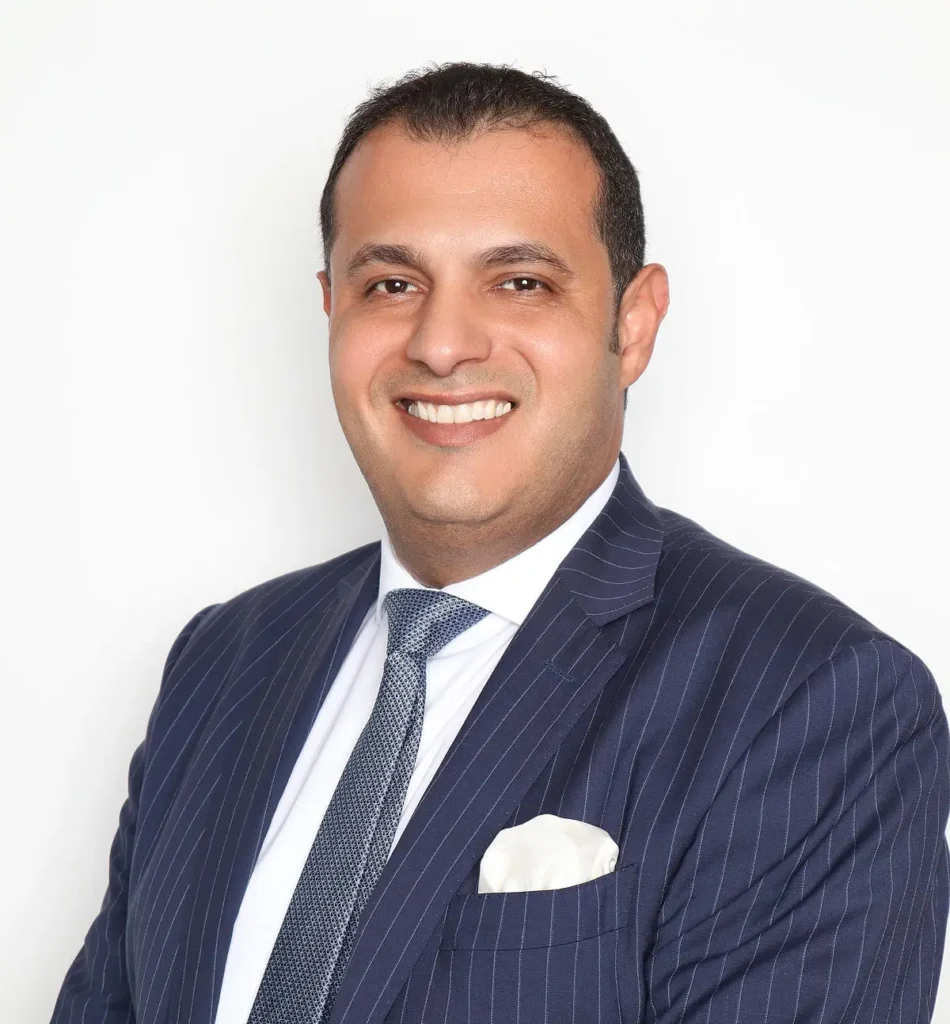
Samer Ali Hasan
CEO & Managing Partner, CLA Qatar